Metal, ceramic or glass: which pie dish is best?
Metal is the best material for chicken pie because it conducts heat fast and gives the crispest bottom crust. Glass is a close second and lets you check the base is browned. Ceramic looks best at the table but heats slowly, so it carries the highest risk of a soggy bottom.
By the chickenpie.net test kitchen · Published 7 August 2026
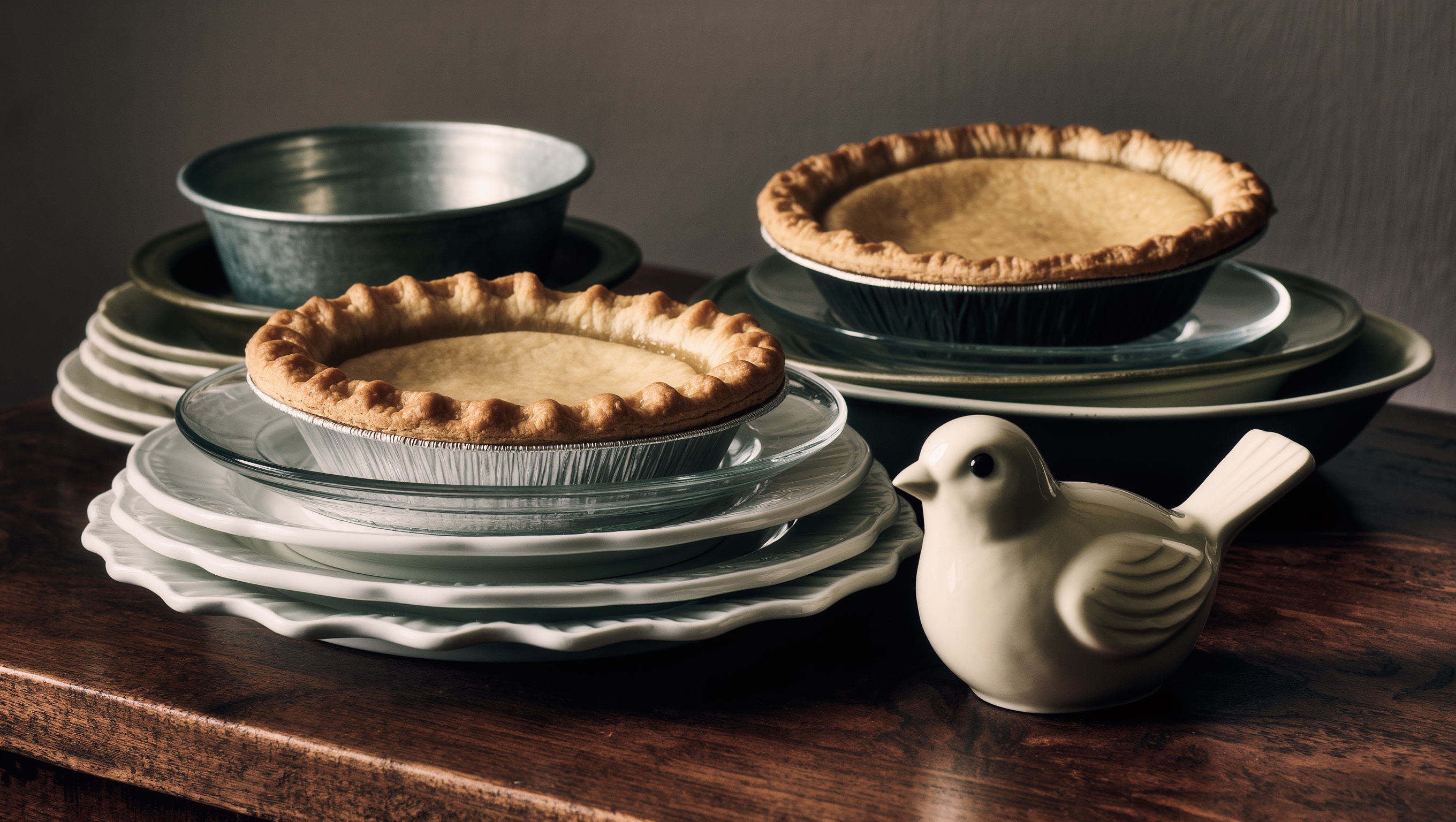
How the materials compare
The whole contest is about the bottom crust. Pastry sitting under a wet filling needs heat delivered quickly from below, and the dish is the middleman.
| Material | Heat conduction | Bottom crust | Notes |
|---|---|---|---|
| Metal (steel or aluminium) | Fast | Crispest | Cheap, light, can discolour with acid |
| Enamelled tin | Fast | Crisp | The classic British pie plate |
| Glass | Moderate | Good | You can see the base browning |
| Ceramic or stoneware | Slow | Weakest | Handsome, retains heat at the table |
Working with what you own
A ceramic dish is not disqualified, it just needs help. Put a heavy baking sheet in the oven while it heats to 200C (400F) and set the pie dish directly on it, so the base gets a blast of conducted heat from the first minute.
Bake on a low shelf, where the bottom element does more work, and consider blind baking the base for a double-crust pie. For a top-crust-only pie the material barely matters, since there is no bottom pastry to protect, and ceramic's heat retention becomes a genuine advantage at the table.
What to buy if you are choosing
An enamelled tin pie plate or a plain steel dish around 23cm is inexpensive and outperforms dishes costing five times more. Avoid very dark non-stick metal for long bakes, which can overbrown the pastry edge before the filling is hot.
If you want one dish for everything, glass is the pragmatic pick: nearly the performance of metal, a visible base so you never serve a pale-bottomed pie, and respectable enough to bring to the table.
Whatever the material, grease the dish lightly and let the baked pie stand for ten minutes before cutting. The pause lets the base firm up and release cleanly, and the first slice comes out whole instead of leaving its bottom behind.