How to cut steam vents correctly
Cut one central hole about 1cm across, or 3 to 5 clean slashes 4 to 5cm long, all the way through the lid before the pie is baked. Vents let steam escape faster than it builds, which is what stops the lid ballooning, the seams splitting, and the underside of the pastry steaming into paste.
By the chickenpie.net test kitchen · Published 5 August 2026
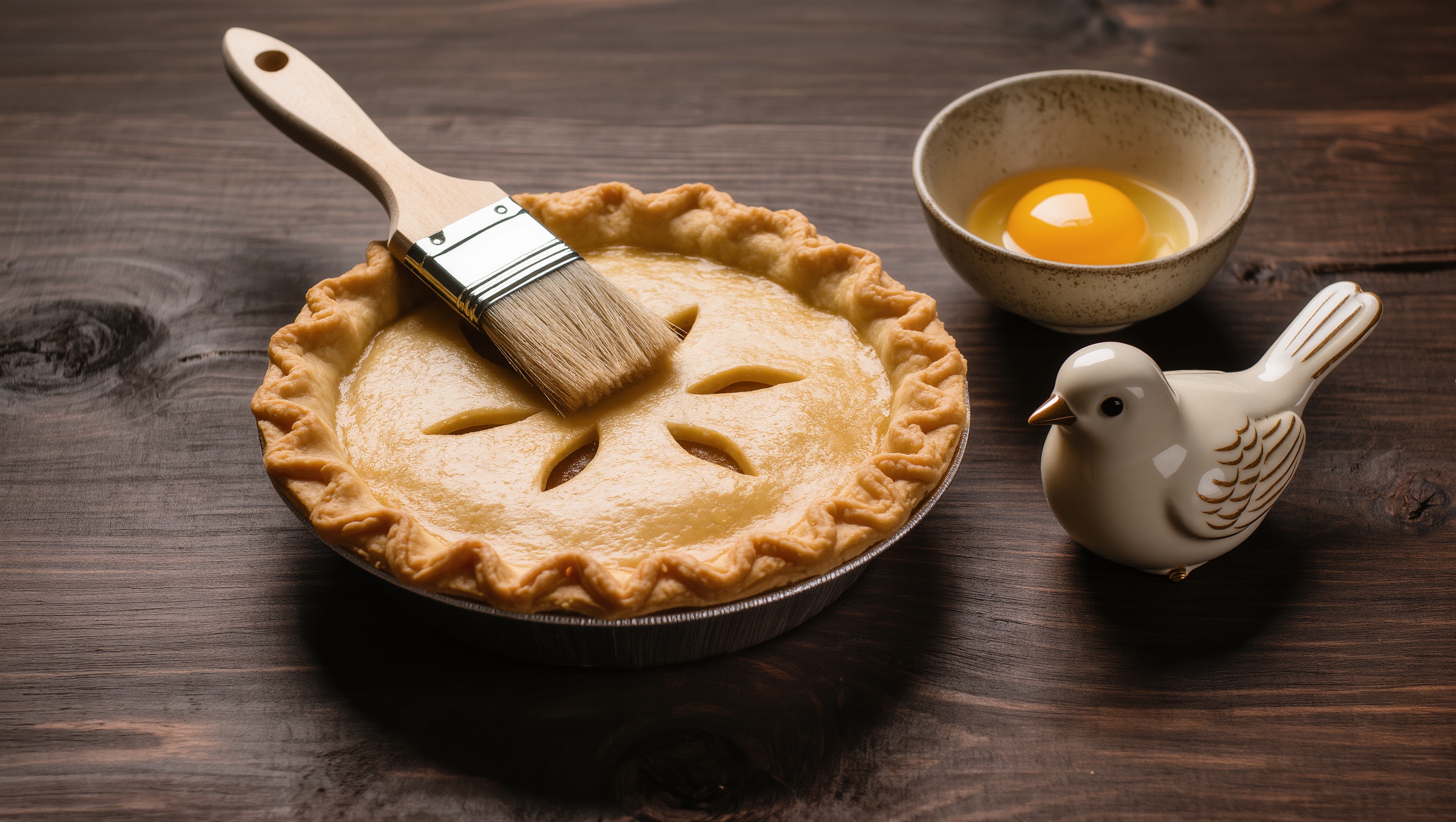
What happens without a vent
A chicken pie filling at oven temperature produces a surprising volume of steam, and a sealed lid gives that steam only two exits: puffing the pastry up like a drum skin, or blasting through the weakest point of the crimp and leaking sauce down the side of the dish. A vent is a controlled failure point you choose in advance.
There is a second, quieter benefit. Trapped steam condenses on the underside of the lid and turns the pastry soggy from within. A vented pie bakes drier and crisper, top and bottom.
Step by step
Vent after egg washing, so the cuts stay open rather than being glued shut by the glaze.
- Assemble, seal, and crimp the pie as normal.
- Brush the lid with egg wash first, keeping it out of the area you plan to cut.
- For a single vent, cut a round hole about 1cm across in the centre of the lid with the tip of a small knife.
- For slashes, make 3 to 5 cuts, each 4 to 5cm long, radiating from the centre like spokes.
- Check each cut goes cleanly through the pastry. A scored line that does not penetrate is decoration, not a vent.
- Open the cuts slightly with the knife tip so they cannot reseal as the pastry puffs.
- Chill, then bake. If the vents close in the first 10 minutes, reopen them quickly with a knife.
How many, and where
One central vent suits a standard 23cm pie. Go to three or more for a deep-dish or family-sized pie, spacing them evenly so no region of the lid traps its own pocket of steam. Hand pies need a single short slash each, cut before they are glazed.
Cut vents where the filling sits below, not over a rim of pastry. And if the design brief calls for an unbroken lid, use a pie bird instead: it is a vent with a chimney, and it exists for exactly this dilemma.